Birthstones
The Guide to Birthstones: Origins and Locations
By Marc H. Merritt, GIA Diamond Program Graduate · February 24, 2024
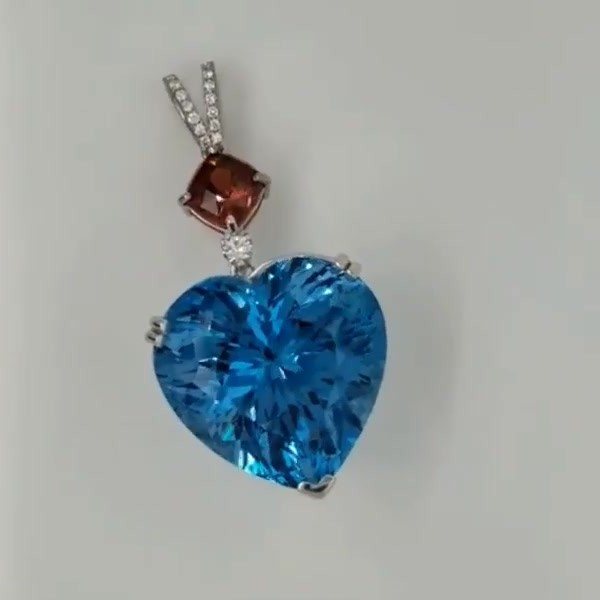
Birthstones are precious or semi-precious gemstones associated with each month of the Gregorian calendar, each carrying unique symbolism and historical significance. This guide gives an overview of each month's birthstone, its key characteristics and the premier locations where the most exquisite specimens are mined. Note: some months have more than one recognized birthstone.
1. January: Garnet
- Chemical description: Garnets are a group of silicate minerals with varied compositions, commonly found in metamorphic rocks.
- Finest locations: Mozambique and Namibia are renowned for high-quality red and demantoid garnets, respectively, celebrated for their vibrant colors and clarity.
2. February: Amethyst
- Chemical description: Amethyst, a variety of quartz, is distinguished by its purple color, caused by iron impurities and natural irradiation.
- Finest locations: Minas Gerais in Brazil and Uruguay are famed for amethysts with exceptional depth of color.
3. March: Aquamarine
- Chemical description: Aquamarine is a blue to greenish-blue variety of beryl that gets its color from iron ions.
- Finest locations: Brazil, especially the Minas Gerais region, is the primary source of large, clear aquamarines.
4. April: Diamond
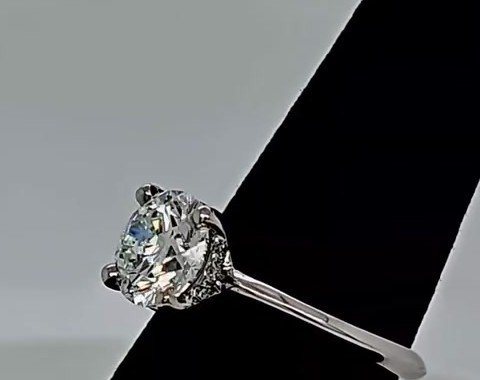
- Chemical description: Diamonds are an allotrope of carbon, formed under high pressure and high temperature.
- Finest locations: Botswana and Russia lead in producing high-quality diamonds, with Botswana noted for ethical mining.
5. May: Emerald
- Chemical description: Emeralds are green beryls colored by trace amounts of chromium and sometimes vanadium.
- Finest locations: Colombia, particularly the Muzo and Chivor mines, is the top source of vibrant green emeralds.
6. June: Pearl, Alexandrite and Moonstone
- Pearl: Organic gems produced within oysters, composed mainly of calcium carbonate.
- Alexandrite: A color-change variety of chrysoberyl, shifting from green to red under different lighting.
- Moonstone: A feldspar with a unique adularescence, a play of light reminiscent of moonshine.
- Finest locations: Pearls from the Persian Gulf; alexandrite from Russia, Brazil and Sri Lanka; moonstone from Sri Lanka and India.
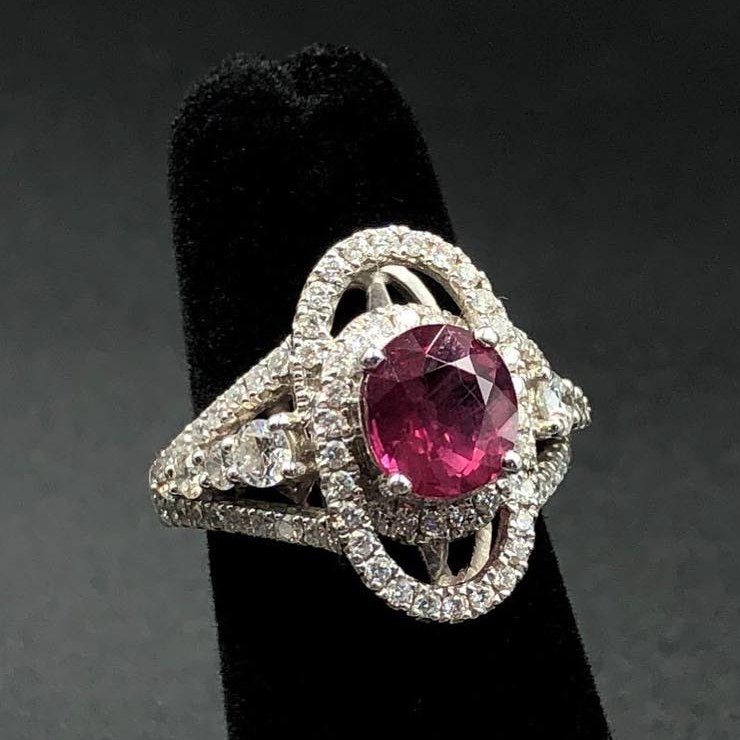
7. July: Ruby
- Chemical description: Rubies are red corundum, colored by chromium.
- Finest locations: Myanmar's Mogok Valley is famous for rubies with the coveted "pigeon's blood" red. Mozambique has also become famous for high-quality rubies rivaling those of Myanmar (Burma).
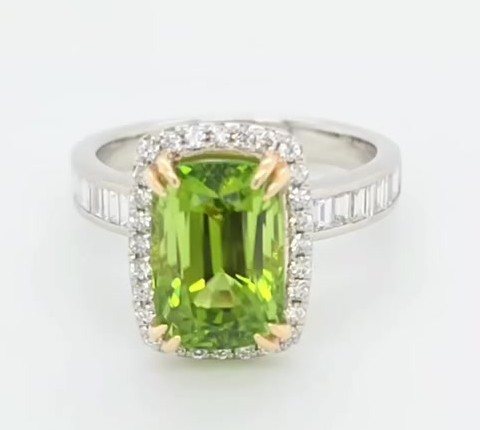
8. August: Peridot
- Chemical description: Peridot is a magnesium iron silicate known for its green color.
- Finest locations: Pakistan's Kashmir region produces fine peridots at high altitudes.
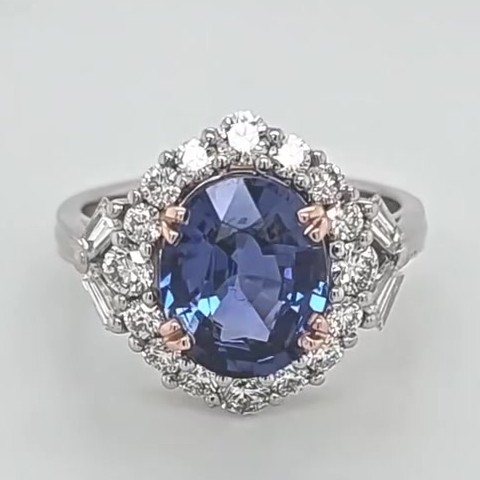
9. September: Sapphire
- Chemical description: Sapphires are corundum, typically blue, colored by traces of titanium and iron.
- Finest locations: Kashmir, Myanmar, Sri Lanka and Madagascar are prized for high-quality sapphires.
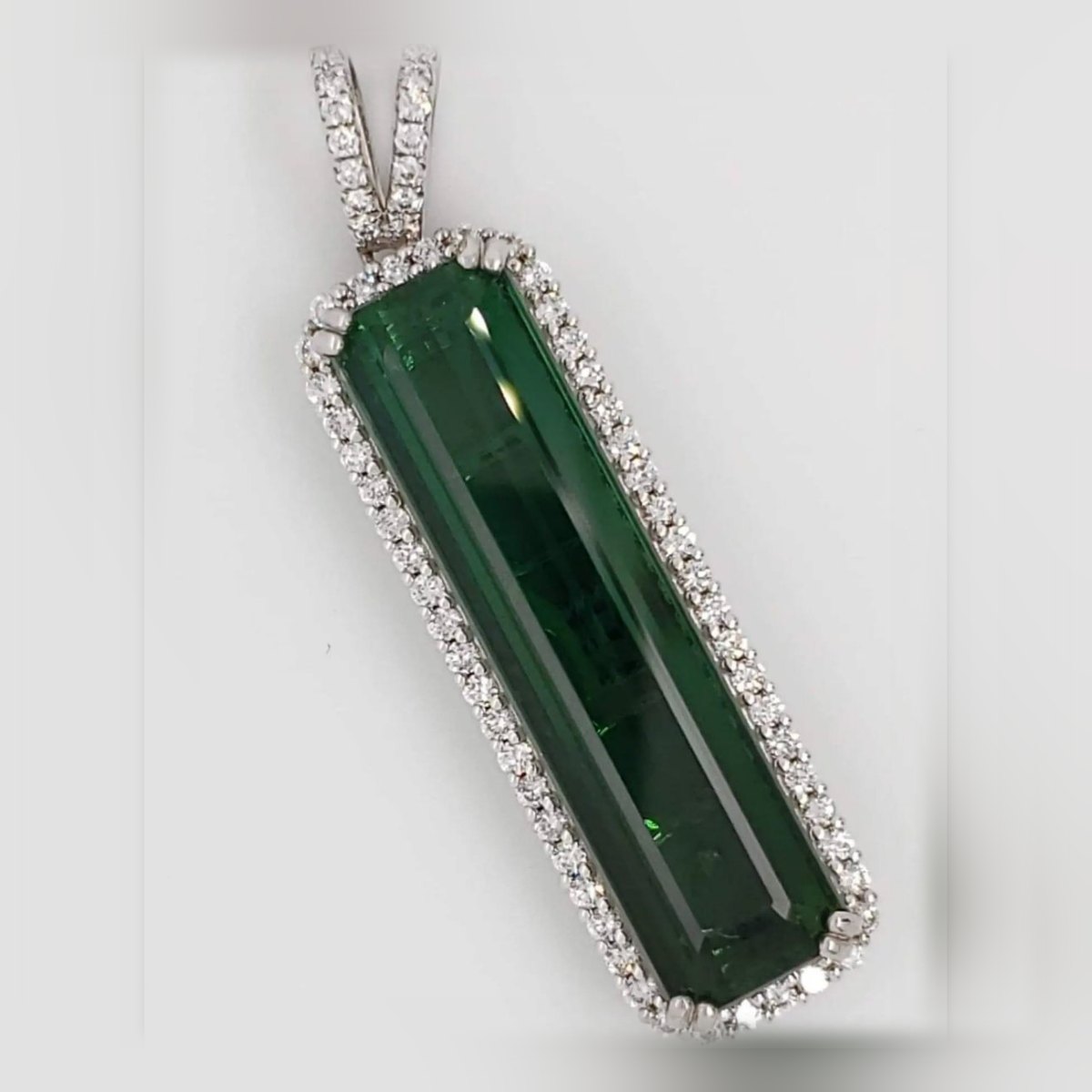
10. October: Opal and Tourmaline
- Opal: A hydrated form of silica, valued for its play of color.
- Tourmaline: A borosilicate mineral appreciated for its enormous range of colors.
- Finest locations: Opal from Australia, especially Coober Pedy; tourmaline from Brazil and Africa.
11. November: Topaz and Citrine
- Topaz: An aluminum silicate fluoride hydroxide that comes in many colors, with imperial topaz the most highly valued.
- Citrine: A variety of quartz colored by ferric iron, known for its yellow hues.
- Finest locations: Brazil is the leading source of imperial topaz and vibrant citrine.
12. December: Tanzanite, Turquoise and Zircon
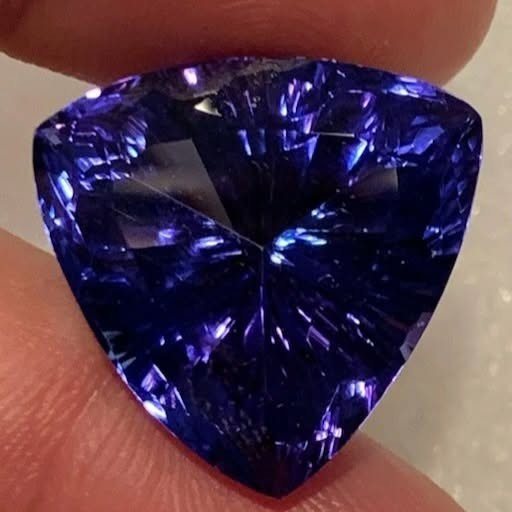
- Tanzanite: A blue-violet variety of zoisite found only in Tanzania.
- Turquoise: A hydrated phosphate of copper and aluminum known for its blue-green color.
- Zircon: Zirconium silicate, valued for its range of colors and a brilliance that resembles diamond.
- Finest locations: Tanzania for tanzanite; Iran for turquoise; Australia, Sri Lanka, Cambodia, Tanzania, Vietnam and Madagascar for zircon.