Gemstone Formation
The Science of Gemology: How Gemstones Are Formed
By Marc H. Merritt, GIA Diamond Program Graduate · February 17, 2024
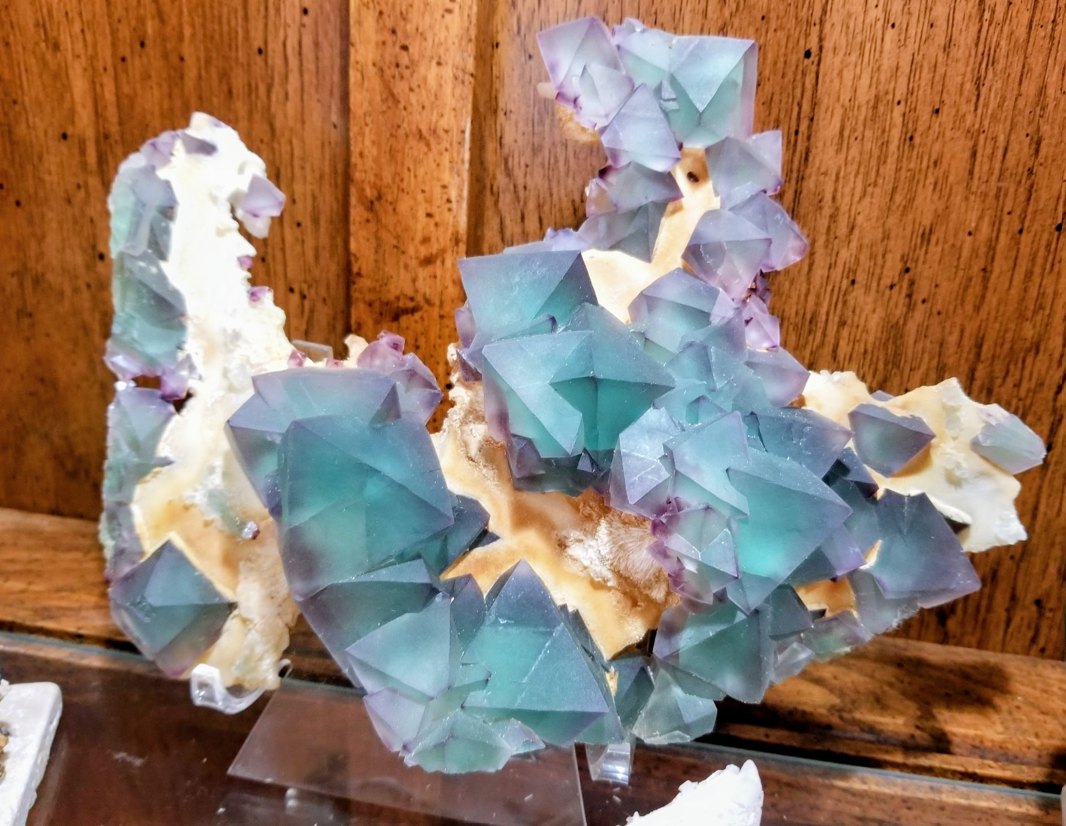
Have you ever wondered how the beautiful gemstones we wear as jewelry are formed? It's a fascinating world of geological processes. Join me as we explore the science of gemology and uncover the secrets behind the formation of these precious stones.
The allure of gemstones lies in their enchanting colors, shimmering brilliance and enigmatic origins. Gemology is the study of these stones' characteristics and qualities, and it also delves into the geological processes that give them life. To truly understand how gemstones form, we have to journey into the Earth's crust and beyond, where nature's dynamic forces transform ordinary elements into cherished jewels.
An introduction to gemstone formation
Gemstones take shape under conditions deep within the Earth, through processes that span millions of years. Some key processes include:
Crystallization from magma
Many gemstones, such as diamonds and rubies, originate from magma, the molten rock beneath the Earth's surface. As magma cools and solidifies, minerals crystallize to form gemstones. The rate at which magma cools helps determine crystal size and clarity: slower cooling allows larger, more distinct crystals to develop.
Metamorphism
This transformative process alters existing rocks under pressure and temperature without melting them. Gemstones such as sapphire and garnet can emerge through metamorphism as the original rock's composition changes and new minerals form.
Sedimentary processes
Gemstones such as opal and certain types of jasper form through sedimentary processes: the deposition, compaction and cementation of mineral or organic particles on the Earth's surface or in bodies of water. Over time, these deposits harden into rock containing gemstones formed from concentrated mineral fluids.
Hydrothermal processes
Gemstones can also form when mineral-rich hot water moves through cracks and fissures in the Earth's crust. As these hydrothermal fluids cool, they deposit minerals in cavities and crevices in the existing rock, forming gemstones such as emerald and amethyst.
Chemistry and conditions
The elements present and the surrounding conditions play key roles. Boron trapped in a diamond's crystal gives it a blue color, while chromium gives rubies their red. Temperature and pressure matter too: diamonds form in the Earth's mantle under intense pressure and high temperature, around 140 to 190 kilometers below the surface, before being carried up by volcanic eruptions.
The path to the surface
Gemstones reach the Earth's surface through volcanic eruptions, tectonic shifts and erosion. During eruptions, diamonds can be pushed closer to the surface, encased in rock formations called kimberlite pipes. As erosion wears away the surrounding rock, gemstones are gradually revealed. Tectonic activity also lifts gem-bearing rocks up into the crust, making them accessible for mining.
In conclusion, the formation of gemstones showcases the ever-changing nature of our planet. These processes give rise to the diverse gemstones we admire and offer insights into our world's geological history. Understanding how gemstones form deepens our appreciation for these marvels and their incredible journey from deep within the Earth to our hands.