Diamond Market
Why Diamond Cutters Are Leaving the Trade, and What It Means for Your Engagement Ring
By Marc H. Merritt, GIA Diamond Program Graduate · October 17, 2026
The step most buyers never think about
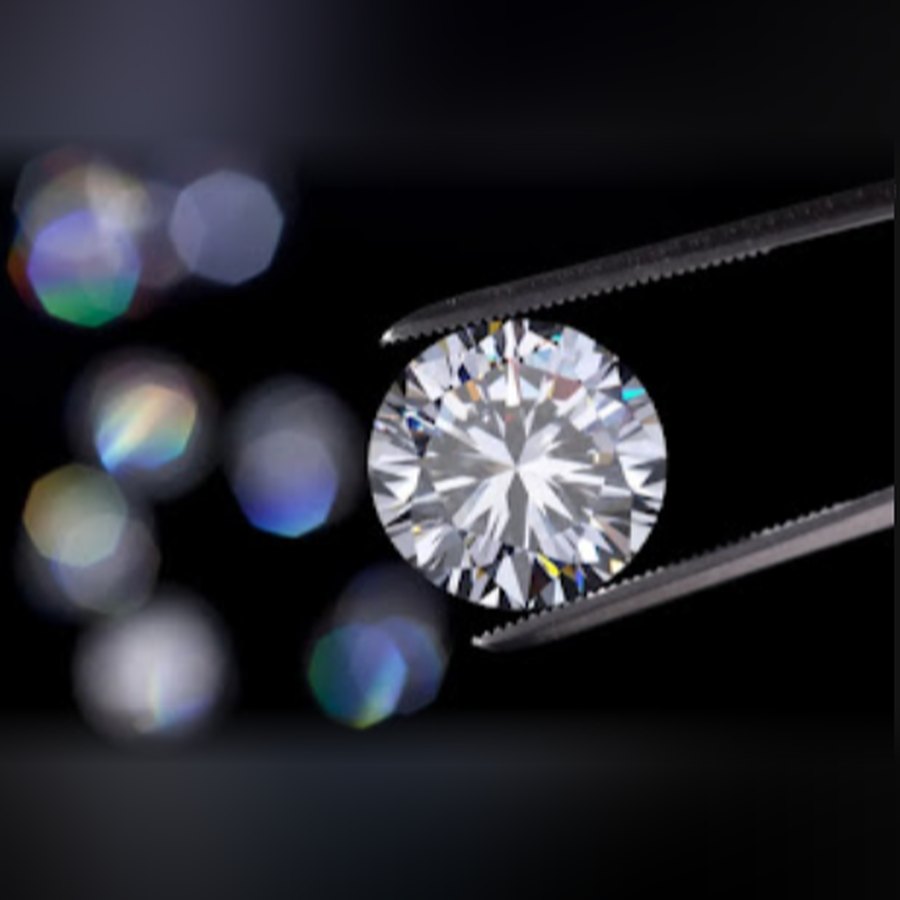
Every diamond you have ever admired passed through the hands of a skilled cutter. Most people picture the story as mine to jeweler, but between the two sits the person who decides how a rough crystal becomes a finished, brilliant stone.
That step is now under real pressure. A recent article from the International Gem Society describes a growing number of professional cutters leaving the trade altogether. As someone who has graded diamonds and built custom jewelry for years, I think this is worth every buyer understanding.
Why cutters are walking away
The main driver is lab-grown diamonds. Their price per carat has fallen so quickly that cutters earn less for the same hours of skilled work, and many in India, the world's cutting center, say there is no longer a way to make a living at it. Many of these craftspeople come from families that have cut stones for generations.
Other pressures add to it:
- Volume has shifted to lab-grown. In fiscal 2026, India exported 18.84 million carats of lab-grown diamonds versus 16.00 million carats of natural, the first time lab-grown came out ahead.
- Less natural rough to cut. Sanctions on Russian diamonds, close to 30% of the world's natural rough supply, have cut the raw material reaching Surat's workshops.
- Fewer hands, same demand. The Gem Society warns that if too few trained cutters remain, the trade could face a bottleneck in turning rough into finished stones.
What it means if you're buying a diamond
There is no wrong answer between natural and lab-grown. The right choice depends on what matters most to you.
- Lab-grown gives you the most size and sparkle for your budget. It is chemically and optically a diamond, and prices have dropped sharply in recent years.
- Natural gives you rarity and a stone formed by the earth over billions of years. Fewer skilled cutters working on natural material makes a beautifully cut natural diamond a more special find.
Whichever you choose, cut quality matters most to how a diamond looks on your hand. Two stones with the same carat, color and clarity can look very different depending on who cut them and how well.
My advice
As a GIA-educated diamond grader, I look at every stone the way a cutter would: proportions, symmetry and how it handles light. Before you buy, I recommend you:
- Decide whether rarity or size matters more to you, then choose natural or lab-grown with confidence.
- Ask for a grading report from a respected lab such as GIA.
- Put cut quality first, ahead of a slightly higher color or clarity grade.
- Work with someone who can show you several stones side by side, so you see the difference for yourself.
At MM Fine Jewelry and Gems, we source both natural and lab-grown diamonds and work with many partners to bring your jewelry dreams to life. Browse our diamond search or read the Diamond Guide to get started.
Sources
- An Examination of the State of the Natural Diamond Trade, International Gem Society
- The Quiet Tragedy of Surat's Diamond Industry, Rapaport
- India's Lab-Grown Diamond Exports Overtake Natural Stones, Whalesbook