Jade and Jadeite: Type A, B and C
Fine jadeite is one of the most treasured gems in the world, and one of the most often treated. Two pieces can look alike in a showcase and be worlds apart in value. This guide explains what jade is, the difference between natural Type A jadeite and bleached or dyed jade, and how to buy with confidence.
Jade is two different gems
"Jade" is a trade name for two separate minerals that look alike. They were shown to be different only in 1863, by the French mineralogist Alexis Damour.
- Jadeite is the rarer and more valuable of the two. It has a glassy luster and comes in the widest range of colors: emerald to apple green, lavender, white, yellow, red-orange and black. Almost all gem-quality jadeite comes from Myanmar (Burma), and in Chinese it is called fei cui. The finest translucent, intense green is known as imperial jade.
- Nephrite is more common, with a softer, oily or waxy luster, and is usually green, white (often called mutton fat) or black. It has been carved in China for thousands of years and is also found in Canada, Russia (Siberia) and New Zealand.
Both are very tough, because they are made of tightly interlocking crystals, which is why they can be carved so finely. When a seller says "jade", it is fair to ask which one.
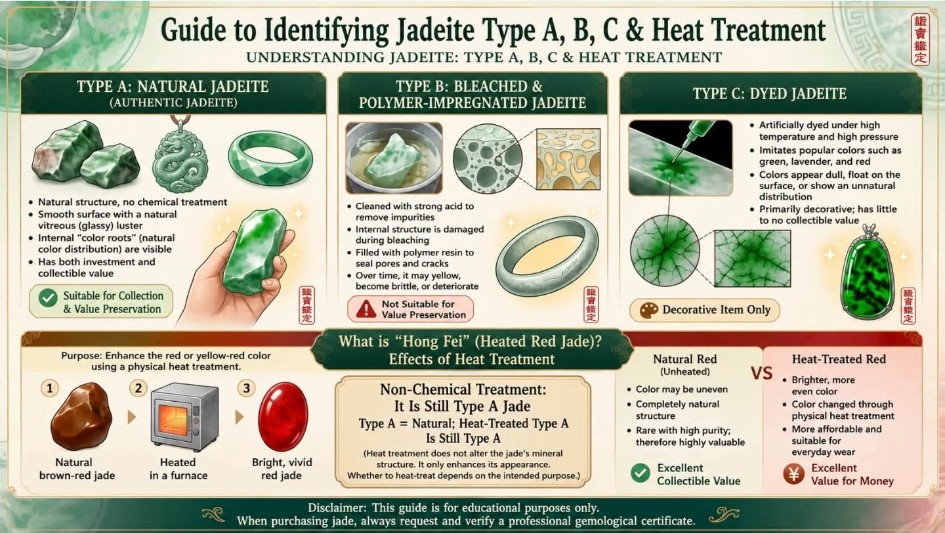
Type A: natural jadeite
Type A jadeite is natural, untreated stone. It has been cut and polished, and usually given a light surface wax, which is accepted trade practice and is not a treatment. Its color is natural, often with the visible "color roots" of the stone's own structure, and it keeps its luster for generations. Only Type A jadeite holds collector and investment value.
Type B: bleached and polymer-impregnated
Type B jadeite has been soaked in strong acid to bleach out brown and gray stains, which also weakens its grain structure. The open spaces are then filled with a polymer resin to hold it together and make it look clearer. Type B can look very attractive when new, but over time the resin can yellow, turn cloudy or become brittle. It has little lasting value and should be sold for a fraction of the price of Type A.
Type C: dyed
Type C jadeite has been dyed to imitate the most popular colors: green, lavender and red. Under magnification the color often looks unnatural, sitting in a web of fine cracks or along the grain rather than coming from within. Dye can also fade. Type C is decorative only. Jade that is both bleached and dyed is called B+C.
Heat-treated red jadeite (hong fei)
Red and yellow jadeite (hong fei) gets its color from iron. Gently heating brownish or yellowish jadeite turns that iron a brighter, more even red. Nothing is added and the structure is not changed, so in the jade trade heated red jadeite is generally still treated as Type A. Naturally red, unheated jadeite is rarer and is valued more highly by collectors. Heated red jadeite is a beautiful, more affordable choice for everyday wear. Either way, ask the seller to tell you whether the color has been heated.
How to tell them apart
Treated jade can fool experienced eyes. A loupe can show warning signs, such as dye in the cracks, a "spider web" of fine lines, or an etched, cobweb-like surface, but resin filling usually needs laboratory instruments to confirm. Tapping a bangle, scratching, burning or other "home tests" are not reliable and can damage the stone.
The answer is a report from a respected gemological laboratory. A good jadeite report identifies the material as jadeite and states whether the color is natural and whether any polymer or resin was found. For fine jadeite, we do not recommend buying without one.
Look-alikes
Many other materials are sold as "jade", sometimes honestly and sometimes not: serpentine (sometimes called new jade or Korean jade), dyed quartzite (sometimes called Malaysian jade), aventurine quartz, chrysoprase, green glass and plastic. They can be pretty, but they are not jadeite and should not be priced like it.
What makes fine jadeite valuable
- Color. Intense, pure and even color is most prized, above all a vivid emerald green. Lavender, and bi-color or tri-color pieces, are also sought after.
- Translucency. The finest jadeite glows, as if lit from within. In the trade, a fine, translucent texture is described as "glassy".
- Texture. A fine, even grain feels smooth and takes a high polish.
- Clarity. Few dark spots, cracks or cloudy patches.
- Cut and size. Well-proportioned cabochons, matched pairs, and bangles cut from a single large, clean piece command premiums.
- Treatment status. Only Type A carries real value. Treatment changes everything.
Caring for jade
- Jadeite is tough but can chip or crack from a hard knock, so take off bangles and rings for sports, gardening or physical work.
- Clean it with warm water, a little mild soap and a soft cloth, then dry it. Do not use an ultrasonic or steam cleaner, and keep it away from harsh chemicals and high heat.
- Store it on its own in a soft pouch, so harder gems and metal cannot scratch it.
Our jadeite
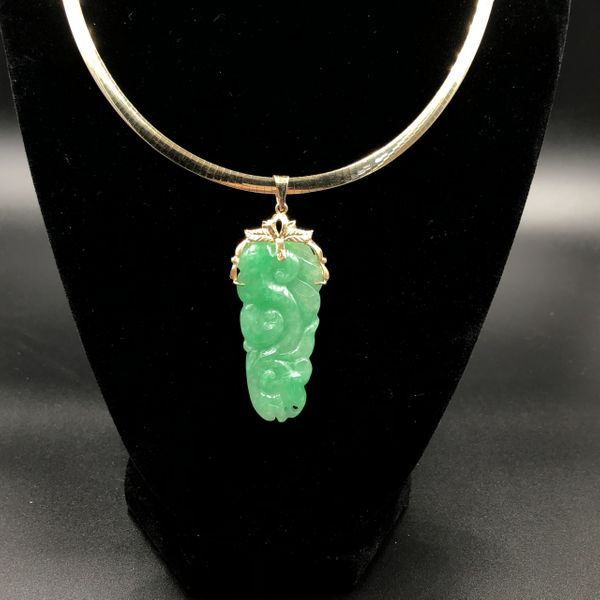
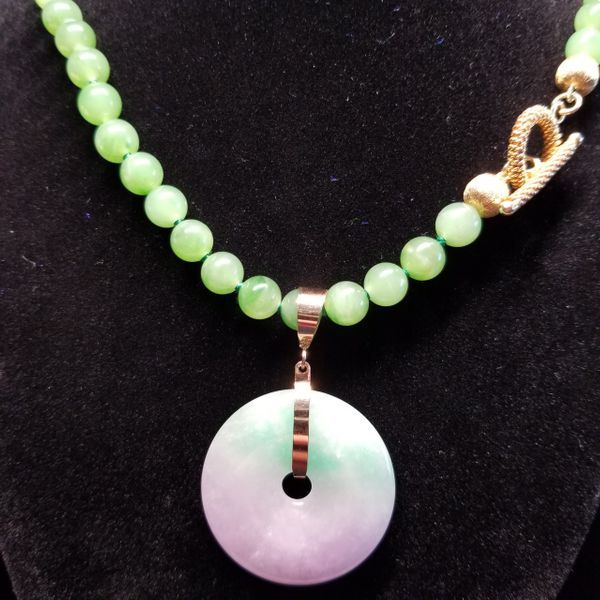
All of our jadeite is natural Type A (Grade A) unless otherwise noted. Here are our jadeite and jade pieces, from rings and pendants to matched cabochons. Pieces marked sold are shown as examples of our work, and similar pieces can be sourced or made to order. We can also source fine jadeite and design a custom mounting around it. Where we have a laboratory report, it is shown with the piece, and we are happy to show any piece in person in the New York area or on a video call.
 Collector's PieceJadeiteInvestment-Grade 14ct GIA-Certified Green Jadeite Ring in 18kt Gold with 1.85ct Diamonds$8,900View in the collection
See it on Instagram
 Collector's PieceJadeiteExquisite 13ct Green Jadeite Vintage Ring in 18kt Gold with .90ct VVS-VS Diamonds$5,500View in the collection
See it on Instagram
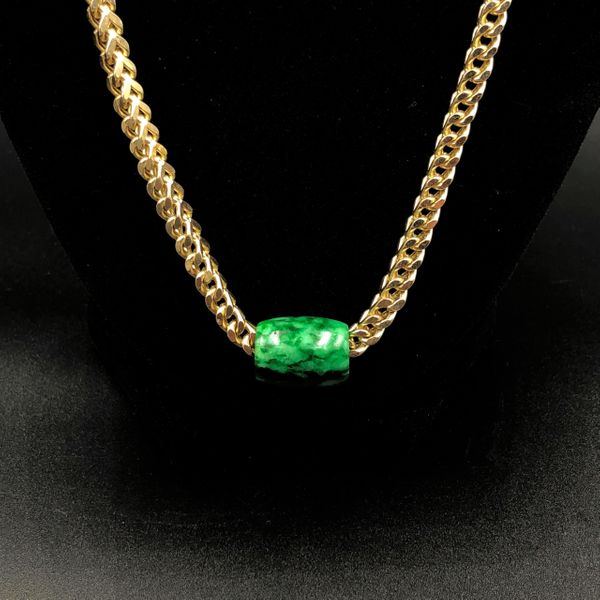
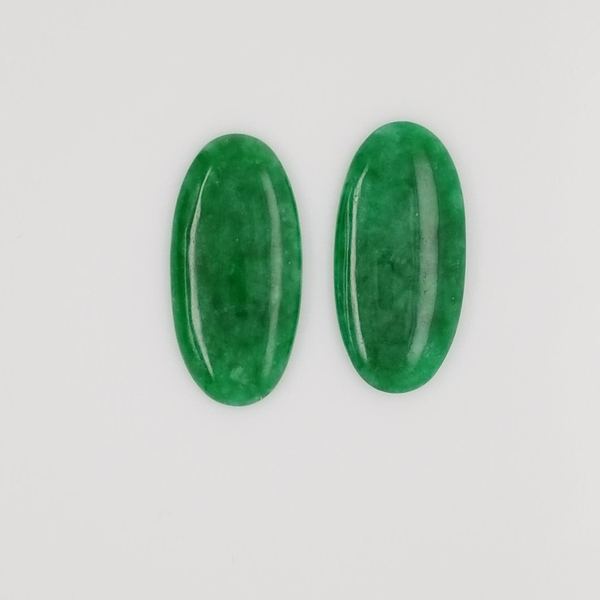 JadeiteBurmese Jadeite Matching Cabochons Ovals total weight 31.46cts$2,350View in the collection
See it on Instagram
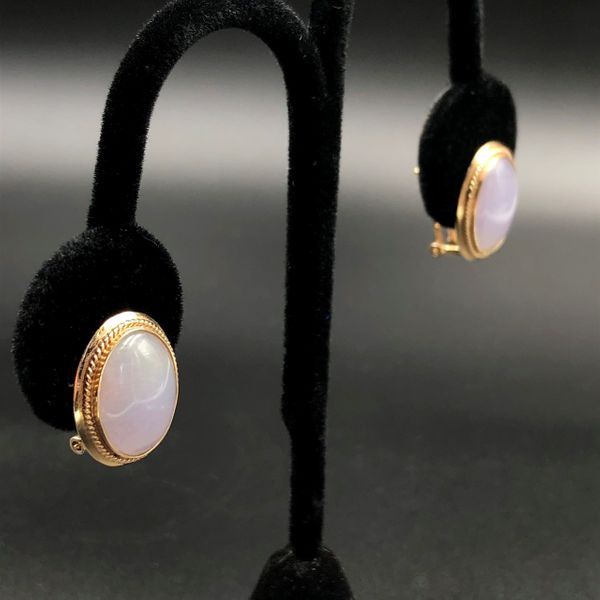 JadeiteBurmese 13ctw Lavender Jadeite bezel Earrings set in 14kt Yellow GoldNot for sale · similar earrings can be made to orderView in the collection
See it on Instagram
See the full collection Follow @mmfinejewelry Book a video consultation
This guide is for education only. When you buy jade, always ask for, and check, a report from a respected gemological laboratory.