Padparadscha Sapphire: The Rarest Sapphire, Its Colors, Treatments and Lab Reports
Of all the colors sapphire comes in, one has a name of its own: padparadscha, the soft blend of pink and orange often compared to a lotus blossom or a tropical sunset. It is the rarest of the sapphires, and because it is rare and valuable, it is also one of the most frequently treated and misrepresented gems on the market. This guide explains what makes a padparadscha, the range of its colors and which is rarest, the treatments every buyer should know about, how to read a lab report, and why the source you buy from matters as much as the stone itself.
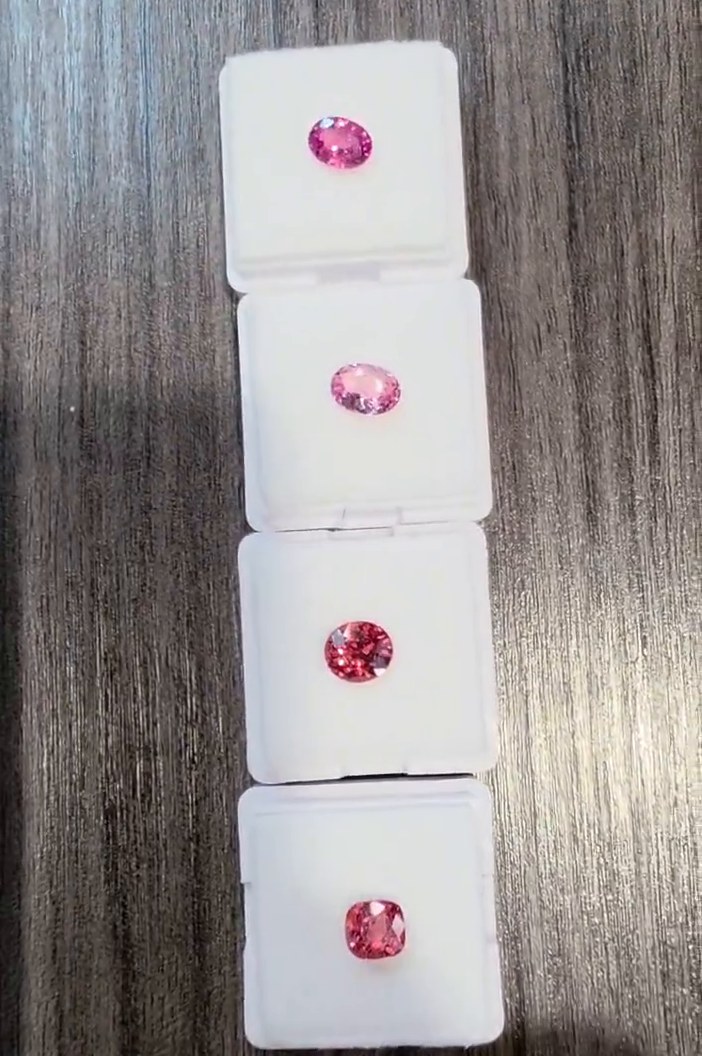
What is a padparadscha sapphire?
Sapphire is the mineral corundum. Red corundum is called ruby; every other color is sapphire. Padparadscha (pronounced pad-pa-RAD-sha) is the trade name for corundum that shows pink and orange together in the same stone, usually in a light to medium tone. The name comes from the Sinhalese word for the lotus flower, a reminder that Sri Lanka (Ceylon) is the gem's classic source. Fine padparadscha also comes from Madagascar and East Africa, notably Tanzania.
The pink in a padparadscha comes from traces of chromium, the same element that makes ruby red. The orange comes from other trace elements and natural color centers in the crystal. Getting both in the right balance, without the brown, purple or gray that so often creeps into corundum, is what makes the stone so scarce.
Why padparadscha is the rarest of the sapphires
- A very narrow color window. A little too much pink and the stone is a pink sapphire. A little too much orange and it is an orange sapphire. Too dark, or with a brownish cast, and most labs will not call it padparadscha at all. Only a small share of pink-orange corundum lands inside that window.
- Small sizes. Most padparadscha is found in small crystals. Fine stones over 2 carats are uncommon, over 5 carats they are genuinely rare, and large, clean, unheated stones are the stuff of museums and major auctions.
- Light tone shows everything. Because padparadscha is usually light to medium in tone, inclusions and uneven color are easy to see. Clean, evenly colored stones are a small fraction of the supply.
- Collector demand. Padparadscha has a devoted following in Asia, Europe and the United States, and demand for top stones far exceeds supply.
The colors of padparadscha, and which is rarest
There is no single padparadscha color. It is a range, and the trade uses informal names for parts of it:
| Shade | What it looks like |
|---|---|
| "Sunrise" (pink-dominant) | Pink with an orange glow; often described as salmon-pink or lotus pink. Popular with many collectors. |
| Balanced | Pink and orange in roughly equal measure, so neither color wins. Light to medium tone, vivid but soft. |
| "Sunset" (orange-dominant) | Orange with a pink blush, warmer and deeper, like the sky at dusk. Lab reports sometimes add "Sunset" after the color, as on the stone shown below. |
| Borderline stones | Pinkish-orange or orangy-pink stones that are too dark, too pale, brownish or purplish. Depending on the lab, these may be called pink or orange sapphire instead of padparadscha. |
The rarest color. Most of the trade considers the rarest and most desirable padparadscha to be an evenly balanced pink and orange, light to medium in tone, with good saturation and no trace of brown or purple, ideally unheated and with a stable color. Among the rest, taste varies: many buyers favor the pinker "sunrise" side, while others prefer the warmth of a "sunset" stone. Because labs do not all draw the line in the same place, a stone one lab calls padparadscha may be called pink or orange sapphire by another.
Treatments: what every buyer should know
Most sapphires on the market have been treated in some way. Treatment is not bad in itself, but it must be disclosed, and it changes the value enormously. These are the ones that matter for padparadscha:
Heating (common and accepted)
Traditional heating at relatively moderate temperatures improves color and clarity and is permanent and stable. The majority of padparadscha sold today is heated. Reports often say "indications of heating" or "indication of minor heating". Heated padparadscha is a legitimate, valuable gem, but an unheated padparadscha of the same size and color can be worth several times more.
Beryllium diffusion (the big one to avoid paying for unknowingly)
In the early 2000s, large quantities of "padparadscha" appeared on the market that had been heated to very high temperatures together with beryllium. The beryllium diffuses into the crystal and creates orange and pink-orange color that was never there, turning inexpensive pink or pale sapphire into a convincing padparadscha look-alike. It is legal when disclosed, but a beryllium-treated stone is worth a small fraction of a heated one.
The difficulty is detection. Beryllium is a very light element that standard gem testing cannot see. Confirming it, or ruling it out, takes advanced chemical analysis such as LA-ICP-MS, equipment the major laboratories have and many small labs do not. Sometimes the treatment leaves a visible color rim near the surface when the stone is viewed immersed in liquid, but often there is no visible clue at all.
Unstable (fading) color
Some pink-orange sapphires owe part of their color to an unstable color center. These stones can look like a fine padparadscha and then lose some of their orange after exposure to light, sometimes within hours. The color can come back with gentle heat or UV light. Leading laboratories test padparadscha for color stability before naming it, and some will not call a fading stone padparadscha at all. Irradiation can produce a similar temporary color.
Other things to watch for
- Laboratory-grown padparadscha. Synthetic corundum in padparadscha colors has been made for decades and is inexpensive. It is chemically the same mineral, so it takes a gemologist or lab to identify it.
- Coatings and fillings. Surface coatings and glass filling of fractures are less common in padparadscha than in some other corundum, but they exist and must be disclosed.
- Misleading names. Terms such as "padparadscha-color", "padparadscha-like" or "padparadscha-type" on a listing usually mean the stone does not qualify as padparadscha.
Reading the lab report
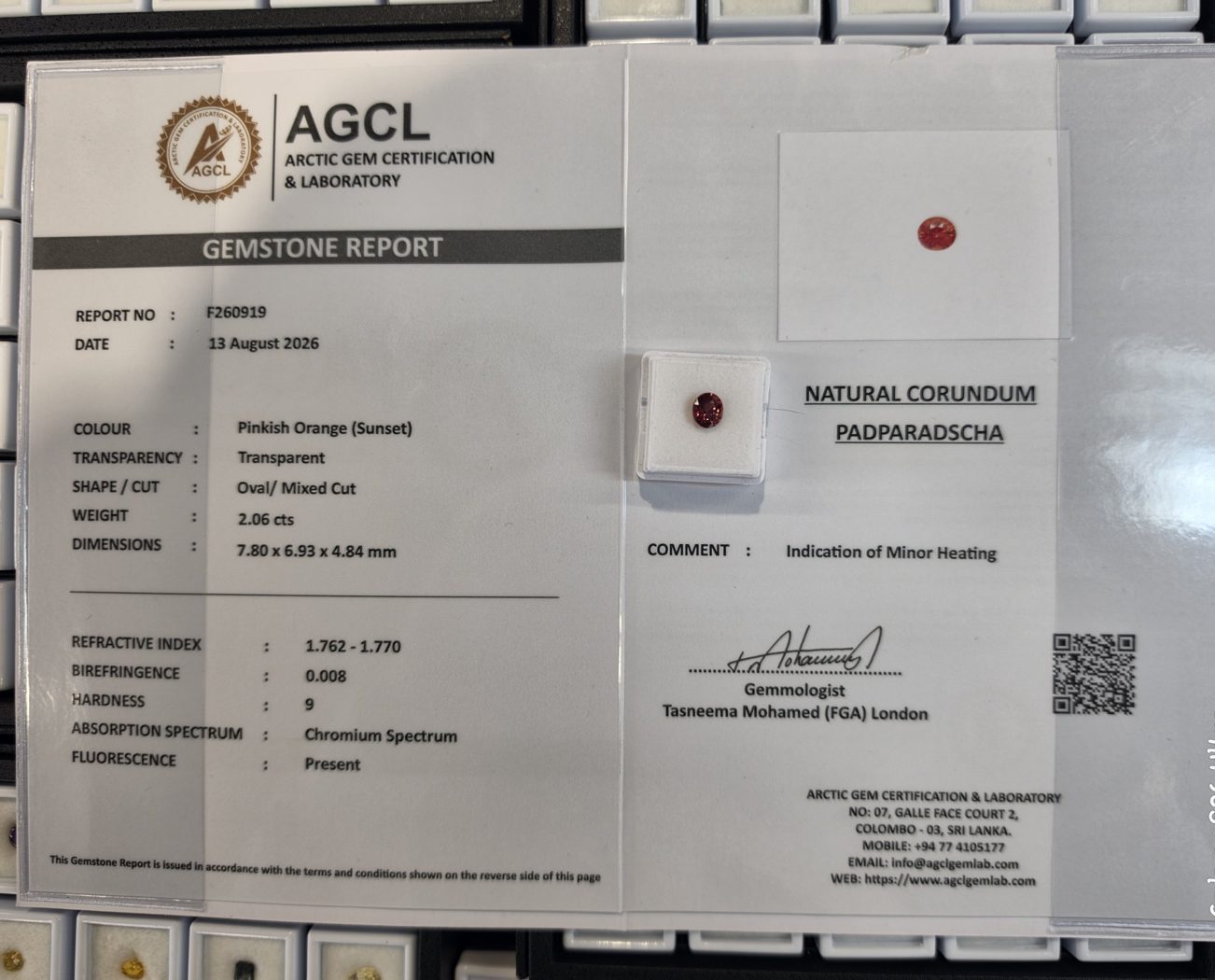
Here is what each part of a typical colored stone report tells you, using the report for one of our stones as the example:
| On the report | This stone | What it tells you |
|---|---|---|
| Identification | Natural corundum, padparadscha | The species (corundum), that it is natural rather than laboratory-grown, and the variety name the lab is willing to use. |
| Colour | Pinkish orange ("Sunset") | Where the stone sits in the padparadscha range. "Pinkish orange" means orange is the main color with pink as the modifier. |
| Weight, shape and dimensions | 2.06 ct, oval mixed cut, 7.80 × 6.93 × 4.84 mm | Lets you match the report to the stone. Always check the weight and measurements against the stone itself. |
| Refractive index and birefringence | 1.762 to 1.770; 0.008 | Standard readings for corundum, confirming what the stone is. |
| Absorption spectrum and fluorescence | Chromium spectrum; fluorescence present | Chromium is the source of the pink component, and its glow under UV light is typical of chromium-bearing sapphire. |
| Comment | Indication of minor heating | The treatment status. This is the single most important line for value. |
Just as important is what a report does not say. Before relying on a padparadscha report, check whether it states:
- That the stone was tested for beryllium (or other diffusion), or that it shows no indications of diffusion.
- Color stability, that is, whether a fading test was done.
- Origin, if that matters to you. Sri Lankan origin generally carries a premium.
- Which laboratory issued it. Reports from labs in the country of origin are common and useful for identification. For a padparadscha of significant value, buyers and auction houses generally expect a report from one of the major colored-stone laboratories, such as GIA, AGL, SSEF, Gübelin or GRS, because labs differ in how strictly they apply the name and in the testing they perform. Our guide to lab reports explains the differences.
Report number, date and the lab's contact details should be on the report so it can be verified directly with the lab. A report is the lab's opinion on the day it examined the stone; it is not an appraisal or a guarantee.
Why buying from a reputable source matters, for padparadscha and every other gem
The gem trade has always had two prices: the price of what a stone is, and the price of what someone says it is. The difference between a heated padparadscha and a beryllium-treated one, a natural stone and a lab-grown one, or a stable color and a fading one cannot be seen by eye, and often not even with a loupe. That is true of sapphire, ruby, emerald, tanzanite, alexandrite, Paraíba tourmaline and nearly every valuable gem. In practice, buyers are protected by three things:
- Full, written disclosure. A reputable seller tells you, in writing on the invoice, what the stone is, whether it is natural or laboratory-grown, and every known treatment.
- An independent report you can verify. From a laboratory whose standards fit the value of the stone.
- A seller who stands behind the stone. Someone with a reputation, a business address, industry memberships and a return policy, who will still be there if a question comes up later.
Some warning signs: a price far below comparable stones (in gems, a bargain usually has a reason), vague answers about treatment, a "certificate" from the seller or an unknown lab, "appraisals" showing a retail value several times the asking price, and pressure to decide quickly. Online marketplaces and travel purchases are where buyers most often get hurt.
How we work. We are members of Jewelers of America and the Jewelers Board of Trade. Every stone we sell is described in writing, natural or laboratory-grown, with its known treatments. You see the lab report before you buy, and if you want a second opinion from a major laboratory on an important stone, ask us before you decide and we will tell you which report makes sense and what it costs. See How We Work.
Padparadscha and sapphire available through us
Heated Padparadscha SapphiresA selection of shades from sunset pink to rose-salmon, with lab reports. Price on request, subject to availability.
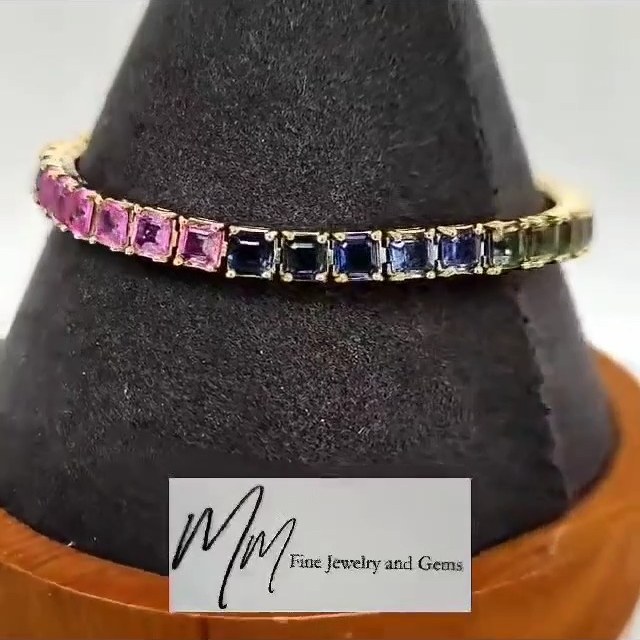 18.5ct Multicolor Sapphire Tennis BraceletNatural, heated-only Asscher-cut sapphires in a full spectrum of colors, including pink and orange, in 18kt yellow gold.
Looking for something specific? Our loose sapphire search includes padparadscha and sapphires in every color, and we can design a ring, pendant or earrings around the stone you choose.
Ask about padparadscha Browse sapphires Book a video consultation
Sources
- GIA (Gemological Institute of America), Gem Encyclopedia: Sapphire, and Gems and Gemology research on beryllium-diffused corundum, 2002 and 2003.
- Laboratory Manual Harmonisation Committee (LMHC), Information Sheet on padparadscha sapphire nomenclature.
- SSEF Swiss Gemmological Institute, publications on padparadscha color stability and fading tests.
- Richard W. Hughes, Ruby and Sapphire: A Gemologist's Guide, on padparadscha color and nomenclature.
This guide is for education only. Laboratory definitions and testing methods change; check the issuing laboratory's own website to verify any report.