Engagement Rings
Custom Engagement Ring: How to Work With a Jeweler
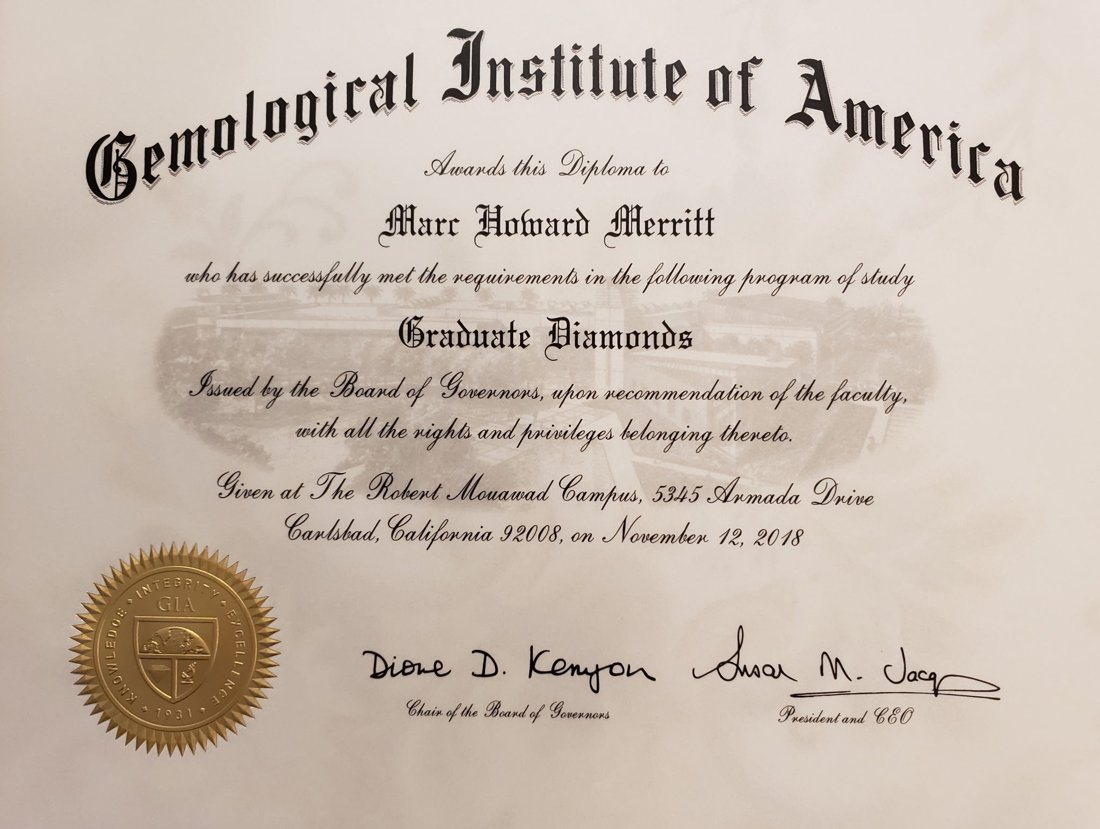
By Marc H. Merritt, GIA Diamonds Graduate · November 21, 2026
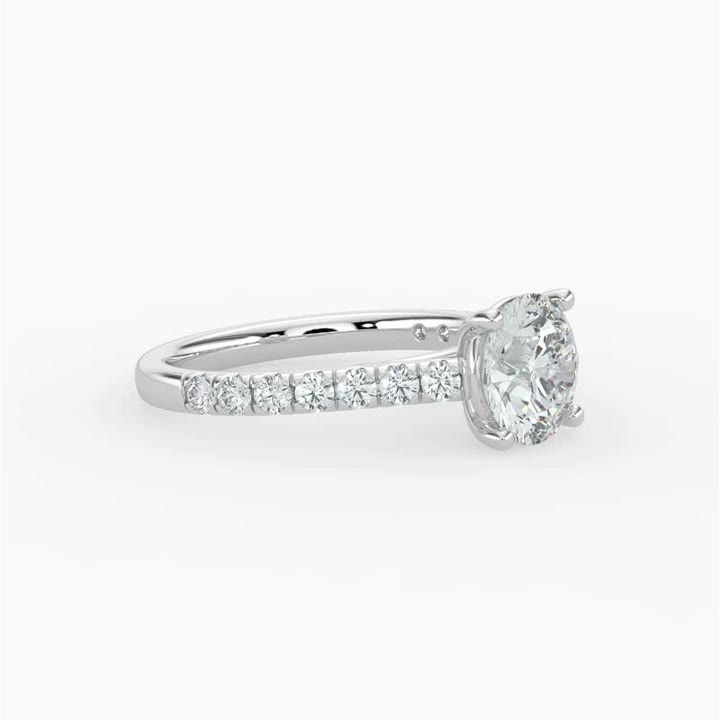
Designing an engagement ring should be exciting, not stressful. Here is how the process works with me, what you'll decide along the way, and how to keep the surprise if it's meant to be one.
Step 1: Gather what you love
Save photos of rings that catch your eye, and look for what they have in common: the shape of the stone, a halo or no halo, a thin or a bold band, yellow, white or rose metal. Notice what your partner already wears. If it's mostly yellow gold, or nothing flashy, that tells you a lot. You don't need to know jewelry vocabulary. A few pictures say more than a long description.
Step 2: Choose the center stone
Most of a ring's look, and most of its cost, comes from the center stone.
- Diamond, natural or lab-grown. Both are real diamonds with the same sparkle and hardness. Natural diamonds are rarer and hold their value better. Lab-grown diamonds cost much less for the same size and grades but keep little resale value. It's your choice, and I source both.
- Shape. A round gives the most sparkle. Ovals, pears and marquises look larger for their weight and lengthen the finger. Emerald and Asscher cuts show clarity more, so they need a cleaner stone.
- The 4Cs. Cut matters most for sparkle. Color and clarity can be balanced against size to fit your budget. Our Diamond Guide explains each one.
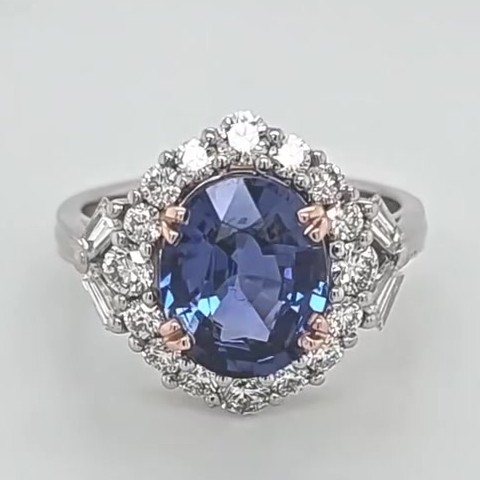
- A colored gemstone. Sapphires, including the rare padparadscha, and rubies make beautiful engagement rings that stand up to daily wear. Some softer gems are better kept for pieces that see less wear, and I'll tell you which.
For any important diamond, insist on a laboratory report, ideally from GIA. As a GIA Diamonds Graduate, I go over every report with you before you buy, and I can submit stones to GIA through my own account. See GIA Reports.
Step 3: Design the setting
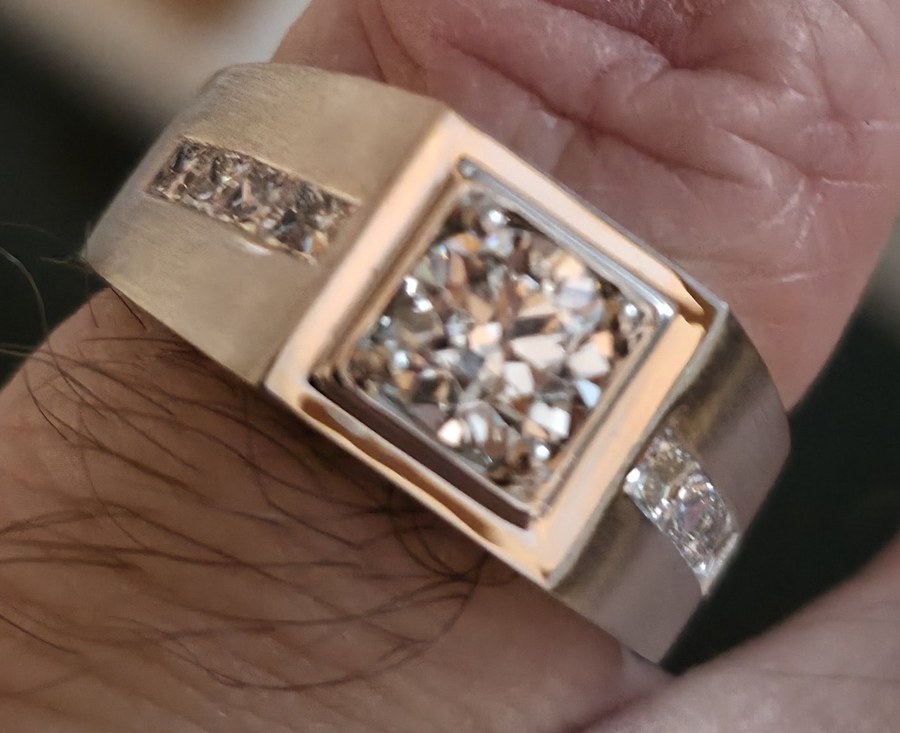
Popular styles include the solitaire, the halo (a ring of small diamonds around the center), the hidden halo underneath the stone, three-stone rings, pavé bands and bezels. Think about daily life. A high, prong-set stone shows more light but catches on gloves and sweaters. A bezel or a lower setting protects the stone for someone who works with their hands. If a wedding band will sit next to it, design the engagement ring so the band sits flush.
You can browse settings and pair them with a live diamond in Design Your Ring, or start from a blank page with me.
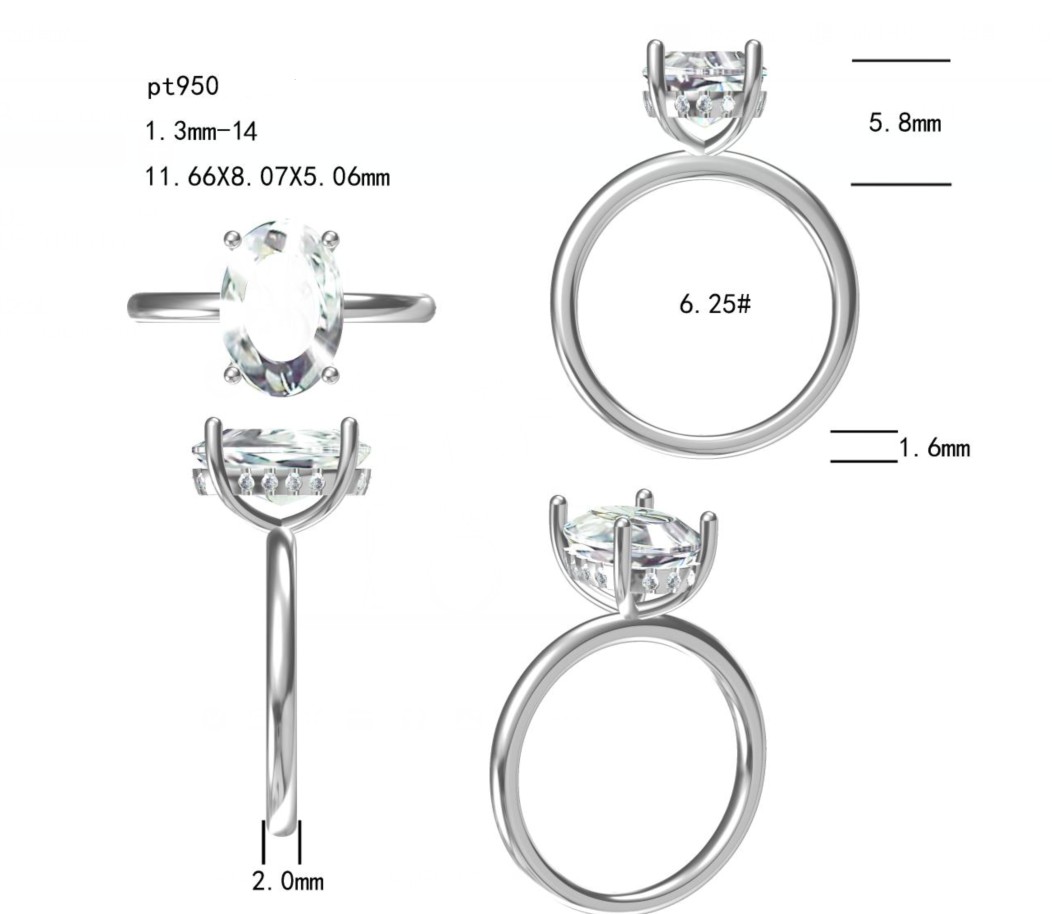
Step 4: Approve the CAD
Before anything is made, you get a CAD rendering with top, side and angled views and the exact dimensions. This is the moment to ask for changes. Once you approve it and production starts, changes carry a fee.
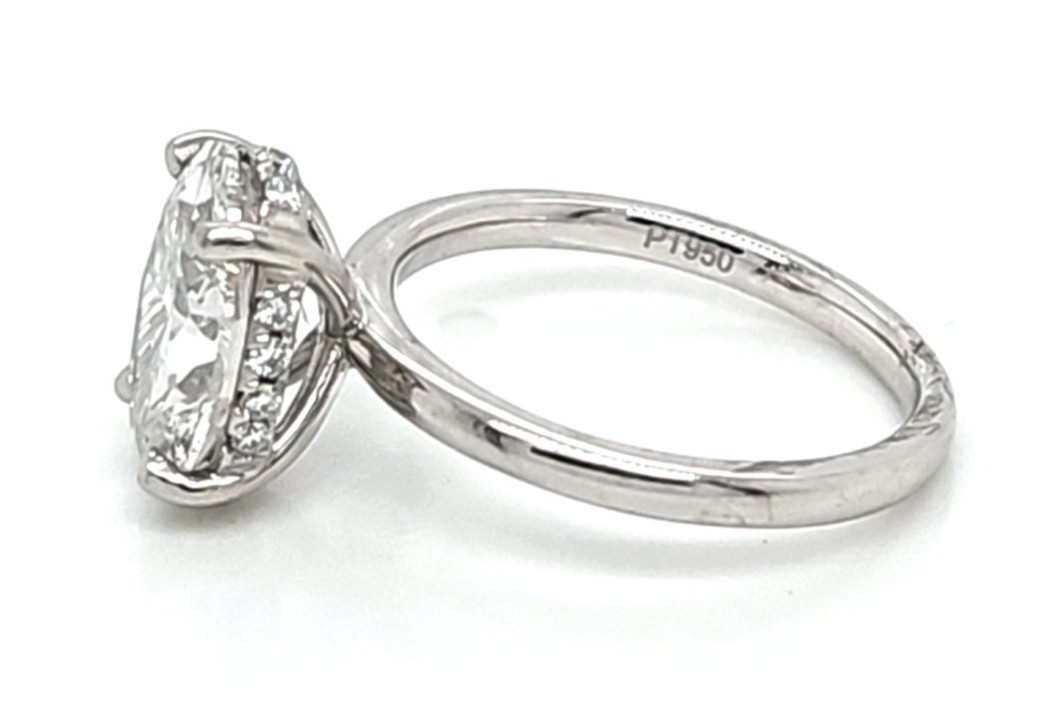
Step 5: Production and final approval
Your ring is cast, set, polished and inspected. If you're in the New York tri-state area, you can see the finished ring in person before paying the balance. Otherwise I send you photos and video to approve.
Size, timing and keeping it a surprise
- Ring size. Borrow a ring your partner wears on the same finger and have it measured, or ask a friend or family member to find out. Many rings can be resized later, but some designs, such as eternity bands and invisible settings, can't easily be, so a good estimate matters.
- Timing. Start at least 6 to 8 weeks before the proposal. Choosing the stone takes time, and the finished ring can take up to 3 to 4 weeks.
- Budget. See How Much Does Custom Jewelry Cost?
Want the whole story? My book, Unveiling the Secret to Engagement Ring Bliss, walks you through choosing a ring step by step.