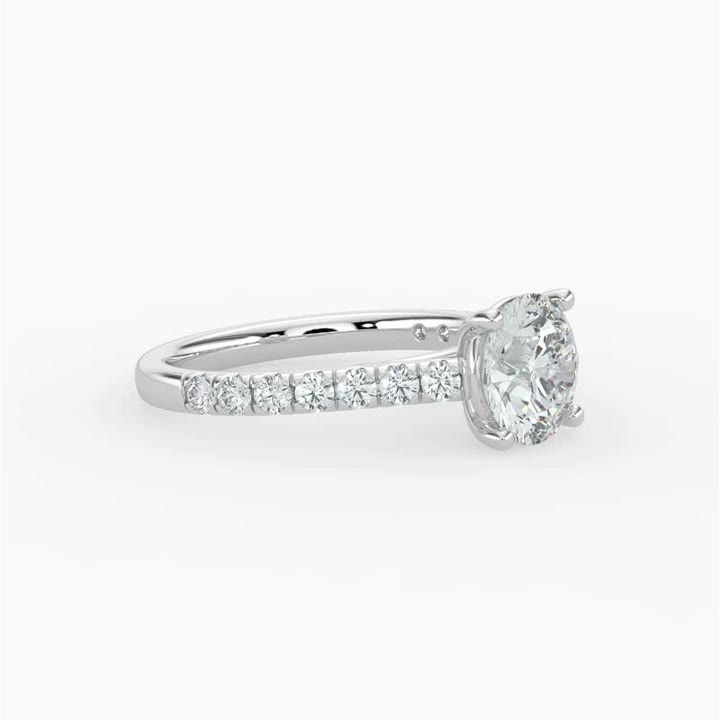
Buying Guide
How Much Does Custom Jewelry Cost?
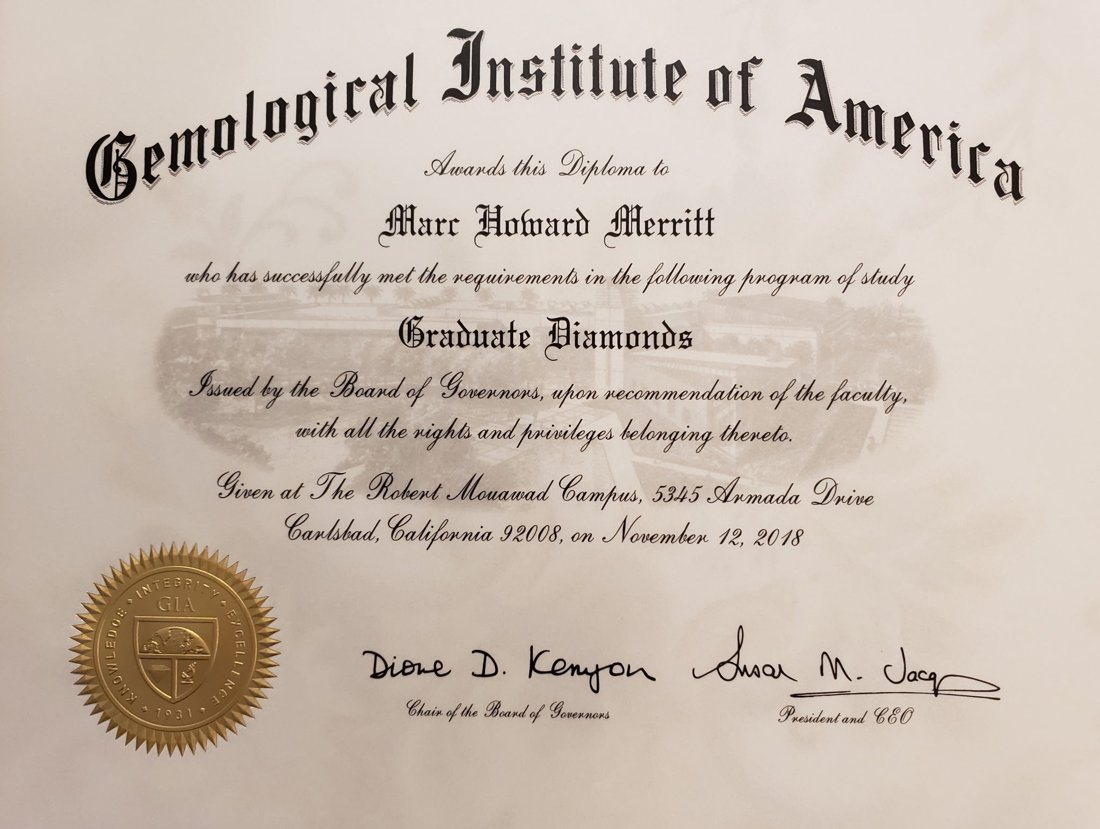
By Marc H. Merritt, GIA Diamonds Graduate · November 21, 2026
It's the first question almost everyone asks me. The honest answer is that four things set the price, and you control most of them. Once you know what drives the cost, you can put your budget where it shows.
The four parts of the price
1. The center stone
In most engagement rings and gemstone pieces, the center stone is the largest part of the cost. Diamond prices climb steeply with carat weight, and color, clarity and cut move them further. A 2-carat diamond costs far more than two 1-carat diamonds of the same quality, because larger stones are rarer.
The biggest single decision is natural or lab-grown. A lab-grown diamond costs a fraction of a natural diamond with the same grades, so the same budget buys a larger or finer stone. The trade-off is resale: lab-grown diamonds keep very little resale value. I offer both, and the choice is yours. You can compare live prices for either in our diamond search.
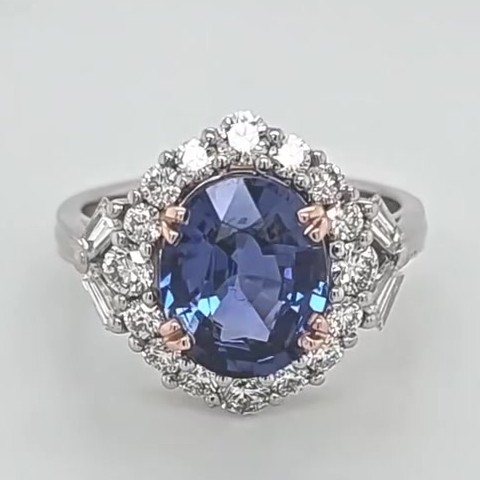
Colored gemstones are priced on color first, then size, clarity, origin and treatment. An unheated sapphire or a fine emerald with a lab report can cost many times more than a treated stone that looks similar at first glance. That's why I show you the report before you buy.
2. The metal
Gold and platinum are priced by weight at the day's market price. That's why I quote a setting together with your stone instead of publishing fixed setting prices. The main choices:
- Platinum: naturally white, very durable and dense, so the same ring weighs more and costs more.
- 18k gold (75% pure gold): rich color, a little softer than 14k.
- 14k gold (58.5% gold): the most popular balance of color, durability and cost.
- 10k gold (41.7% gold): hard-wearing and the least expensive gold, in yellow or white.
- 925 sterling silver: available as a custom option, quoted per piece.
A heavy men's ring or a wide band uses much more metal than a delicate solitaire, so in those pieces the metal can matter as much as the stone. Our guide to choosing metals goes deeper.
3. Side stones and setting work
Halos, pavé bands and accent stones add both stones and labor. Setting dozens of small diamonds by hand takes hours. Some techniques take far more skill. In an invisible setting, the stones sit edge to edge with no metal showing, and each one is cut with grooves that lock it in place. That work is reflected in the price.
4. Design and making
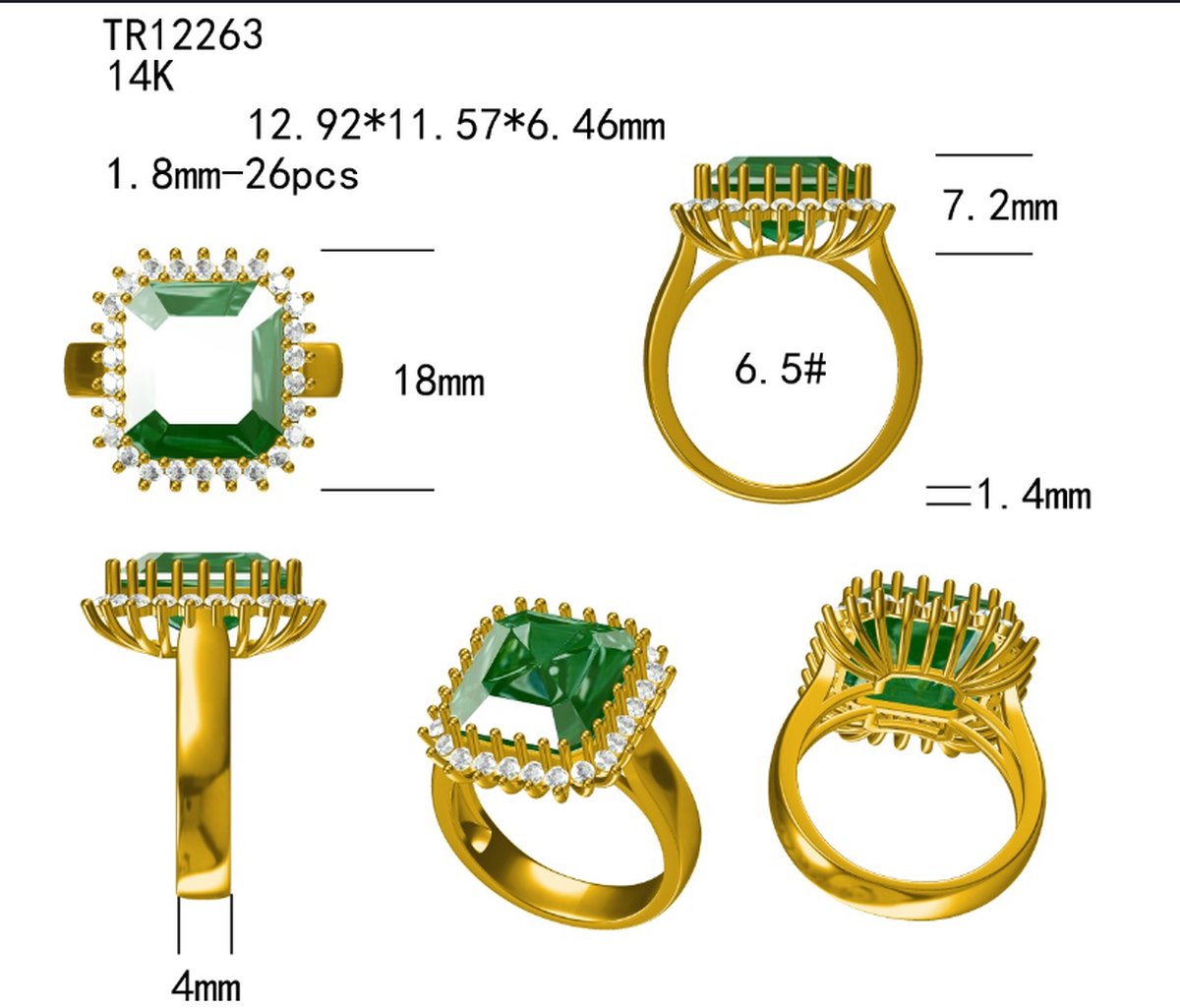
Every custom piece starts with a CAD model, then goes through casting, setting, polishing and inspection. A simple solitaire is quick to design. A one-of-a-kind sculptural piece takes more design rounds and more time at the bench.
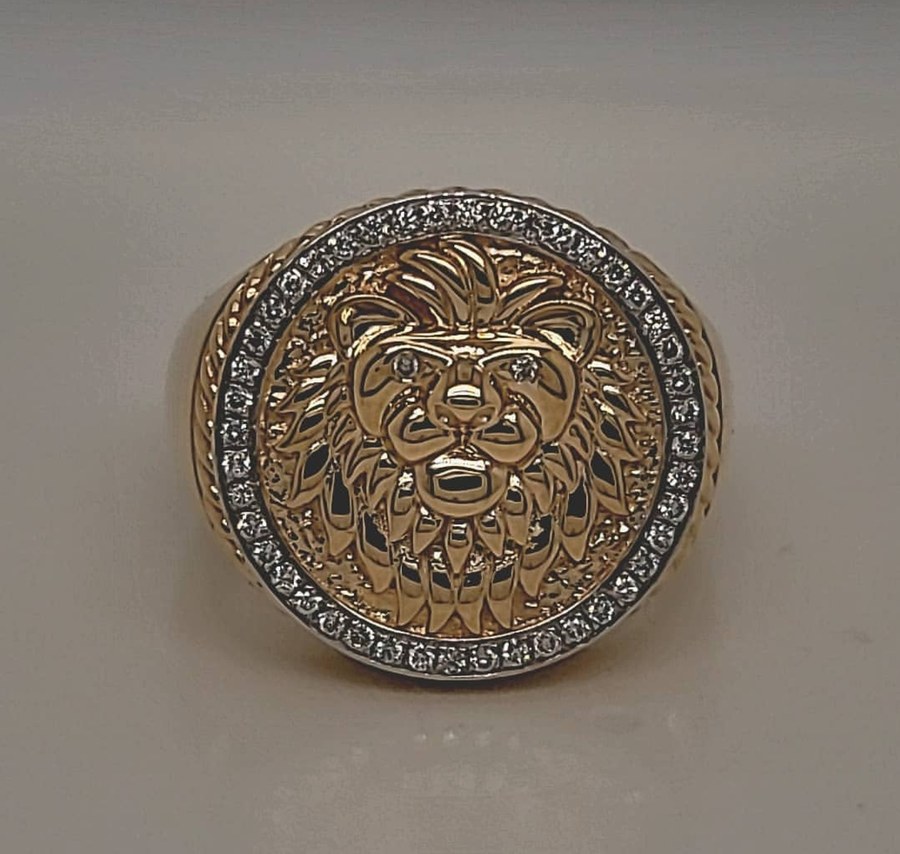
Why custom doesn't have to cost more than store-bought
People assume custom means expensive. Often it's the opposite. A chain-store price carries the cost of the showroom, the inventory sitting in the cases and the sales commissions. I work by appointment and online, with no retail storefront, and I source stones and materials directly through trade channels. You pay for your piece, not for the store.
What custom does take is time. A finished piece can take up to 3 to 4 weeks, depending on the item and the time of year.
How to set a budget
- Start with a range you're comfortable with, not a rule. The old "three months' salary" line was an advertising slogan, not a guideline.
- Decide what matters most: size, quality, the metal or the design detail. Tell me, and I'll put the money there.
- Use the trade-offs. A diamond just under a full carat, say 0.90 ct, can cost noticeably less than a 1.00 ct and look almost the same on the hand. A G or H color diamond faces up white in a setting for much less than a D.
- Ask for a written estimate that breaks out the stone, the setting and any extras.
How pricing works with us
Send me a link, a photo or a sketch and I'll email a written estimate, with no cost or obligation. A $250 design and sourcing deposit starts the work and is credited in full to your piece. When you approve the CAD design, a 50% production deposit is due, and the balance is due when you approve the finished piece. Every step is in writing. The full terms are on How We Work.