Jewelry Design
Custom Jewelry with Multiple Gemstones: How It Works
By Marc H. Merritt, GIA Diamonds Graduate · November 21, 2026
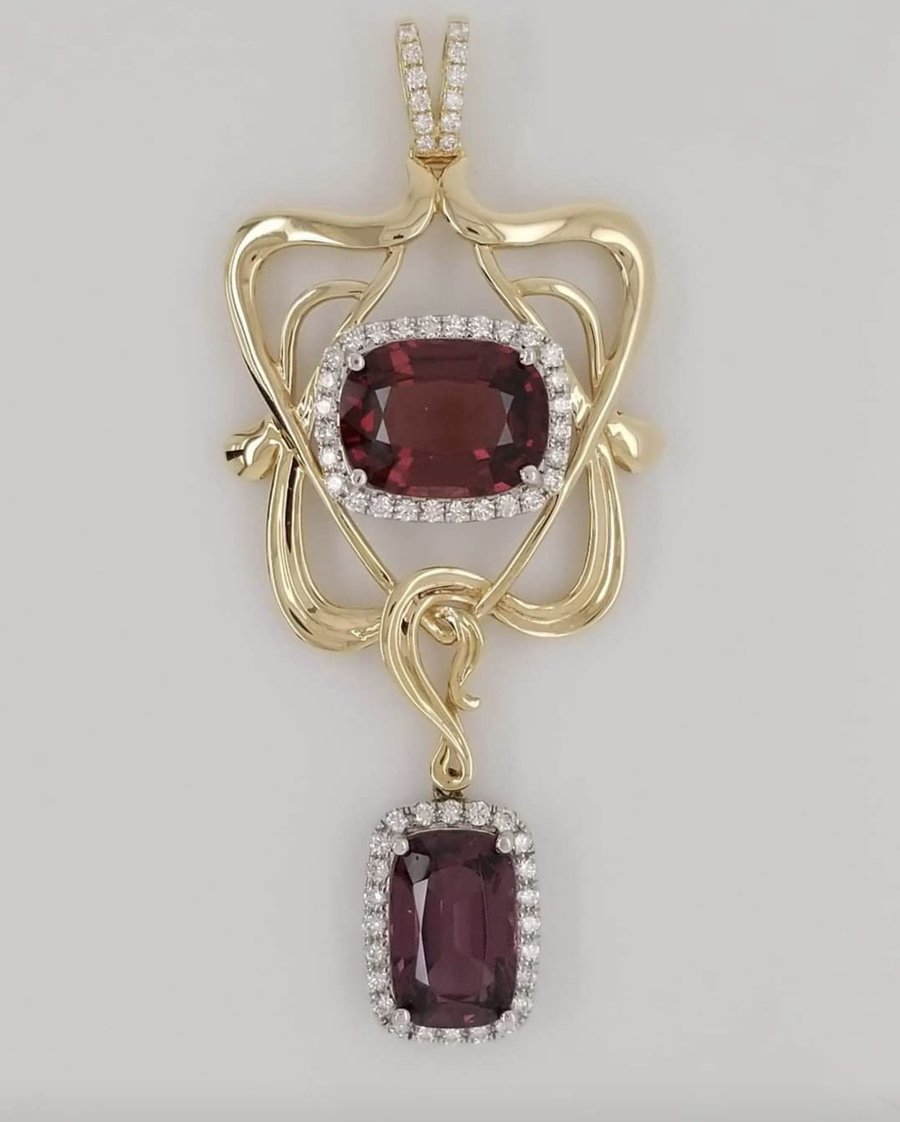
Two-stone rings, three-stone rings, a sapphire between two diamonds, a Burmese spinel pendant with two stones: pieces with more than one gemstone are some of the most rewarding to design, and some of the trickiest to get right. Here's what goes into them.
Popular multi-stone designs
- Two-stone (toi et moi) rings: two stones side by side, often different shapes or colors, representing two people.
- Three-stone rings: a center stone with two side stones, a classic for engagement and anniversary rings.
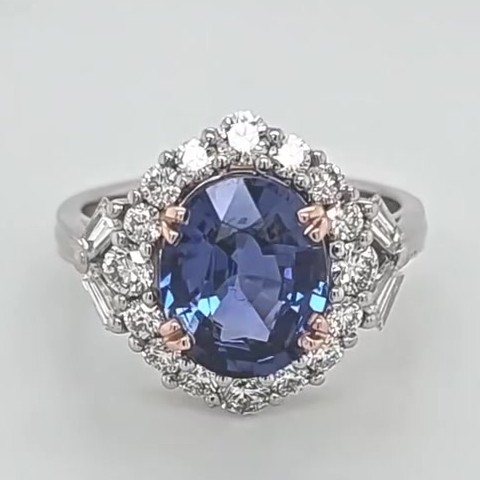
- Gemstone and diamond pairings: a colored center with diamond side stones or a halo, or the reverse.
- Men's two-stone rings: a diamond paired with a colored stone, such as alexandrite or Paraíba tourmaline, set flush or in a bezel for strength.
- Clusters, pavé and invisible settings: many stones working together as one surface.
1. Durability comes first
Every stone in the piece has to stand up to how it will be worn. Hardness is measured on the Mohs scale: diamond is 10, ruby and sapphire 9, alexandrite 8.5, spinel 8, emerald 7.5 to 8 but brittle, tourmaline 7 to 7.5 and tanzanite 6 to 7. In a ring worn every day, the softer stones need a protective setting, such as a bezel or a lower profile, or they're better in a pendant or earrings. When stones of different hardness sit side by side, the design should protect the softer one.
2. Matching color and size
Pairs and side stones must match closely in color, tone and size, or the eye goes straight to the difference. A well-matched pair takes time to find, especially in colored gemstones, where no two stones are exactly alike. That's why a matched pair often costs more than two single stones of the same size. I bring in options and show you the stones together, in daylight and on video, before you choose.
3. Proportion and balance
Side stones are usually sized relative to the center, and the overall width has to suit the hand. In a two-stone ring, the stones can match in size or deliberately contrast. CAD lets us test these proportions on screen before anything is made.
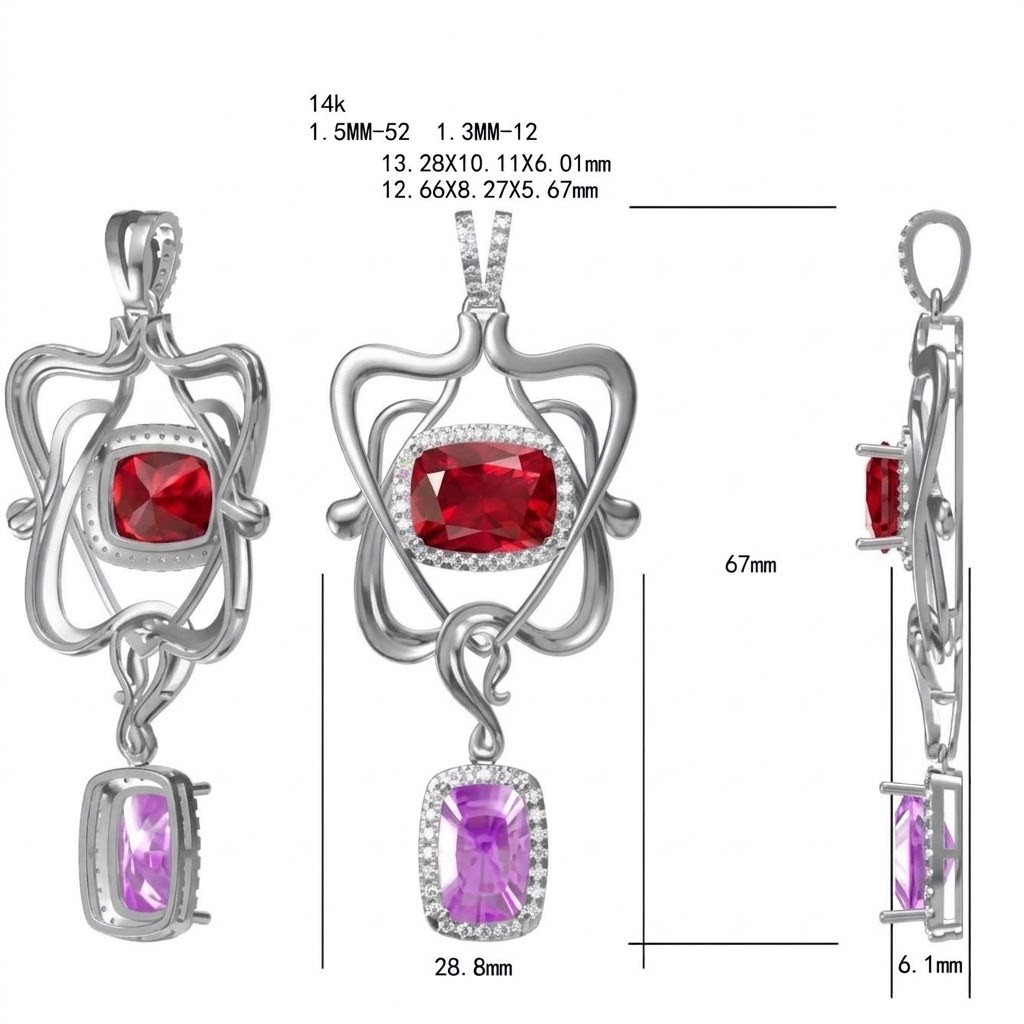
4. Choosing the right setting
- Prongs show the most of each stone and let in the most light.
- Bezels wrap each stone in metal, the most protective choice for softer stones and active wearers.
- Channel and flush settings keep stones low and secure, and are popular in men's rings.
- Invisible settings line stones up edge to edge with no metal showing between them. See our guide to invisible settings.
5. Cleaning and care
Different stones need different care. A diamond can go in an ultrasonic cleaner, but emeralds, opals, pearls and many treated stones should not. In a mixed piece, clean for the most delicate stone: warm water, mild soap and a soft brush.
Have a combination in mind? Send me photos and I'll tell you how to make it work, and what it will cost.